

For years, the world's great financial centers have been dominated by traditional markets concentrated in New York, London, and Singapore. However, in recent years, a quiet but profound transformation has been taking place in emerging economies — and Latin America has positioned itself at the epicenter of this global shift. The region is experiencing exponential growth in trading activity, with millions of new traders, innovative fintech platforms, and unprecedented access to international financial markets.
What makes this movement particularly significant is not just the growth in numbers, but the fundamental shift in how global financial power is distributed. Latin America is no longer a passive observer of the world market — it is now a strategic actor redefining the rules of trading in the 21st century.
The Rapid Rise of a New Generation of Traders
The explosion of retail trading in Latin America has been driven by a young, digitally native generation seeking to diversify their income in a region characterized by economic volatility and inflation. With access to smartphones and internet connectivity, Latin American traders can now operate in markets that were inaccessible to most of the population just a decade ago. Platforms like Interactive Brokers, Exness, XM, and other international providers have seen exponential growth in their regional user bases.
What distinguishes these traders is not just their numbers, but their sophistication. Many of them operate with advanced strategies, use technical and fundamental analysis, and actively participate in global trading communities. The most-followed trading educators on social media are not Americans or Europeans — they are Colombians, Peruvians, Mexicans, and Ecuadorians who are teaching millions of people how to navigate financial markets.
This growth has been so significant that trading volumes from the region have increased by more than 300% over the last three years, according to data from multiple international brokers. Financial technology companies are responding to this demand by establishing regional offices, improving their platforms for the Latin American market, and designing products specifically tailored to the needs of regional traders.
The Key Role of Technology and Fintech
The democratization of trading access in LATAM would not have been possible without the fintech revolution. Mobile trading platforms have eliminated entry barriers that kept most of the population outside financial markets for decades. You don't need to be wealthy to open an account; you don't need prior knowledge to access educational tools; you don't need to be in a financial capital to operate in global markets. All of this is available in your pocket, through a mobile app.
Latin American fintechs are innovating in ways that traditional financial institutions simply cannot. They are designing intuitive interfaces for users at different experience levels. They are offering cryptocurrencies, derivative instruments, and access to international equities through a single platform. They are providing quality education through videos, webinars, and online communities. The result is a far more robust and accessible ecosystem than what exists in many developed markets.
Furthermore, technology is enabling regulations to adapt more quickly. Countries like Colombia, Peru, and Mexico are working with regulatory authorities to create frameworks that protect investors while fostering innovation. This balance between regulation and freedom is attracting global investment and entrepreneurial talent to the region.
Events as Catalysts of the Ecosystem
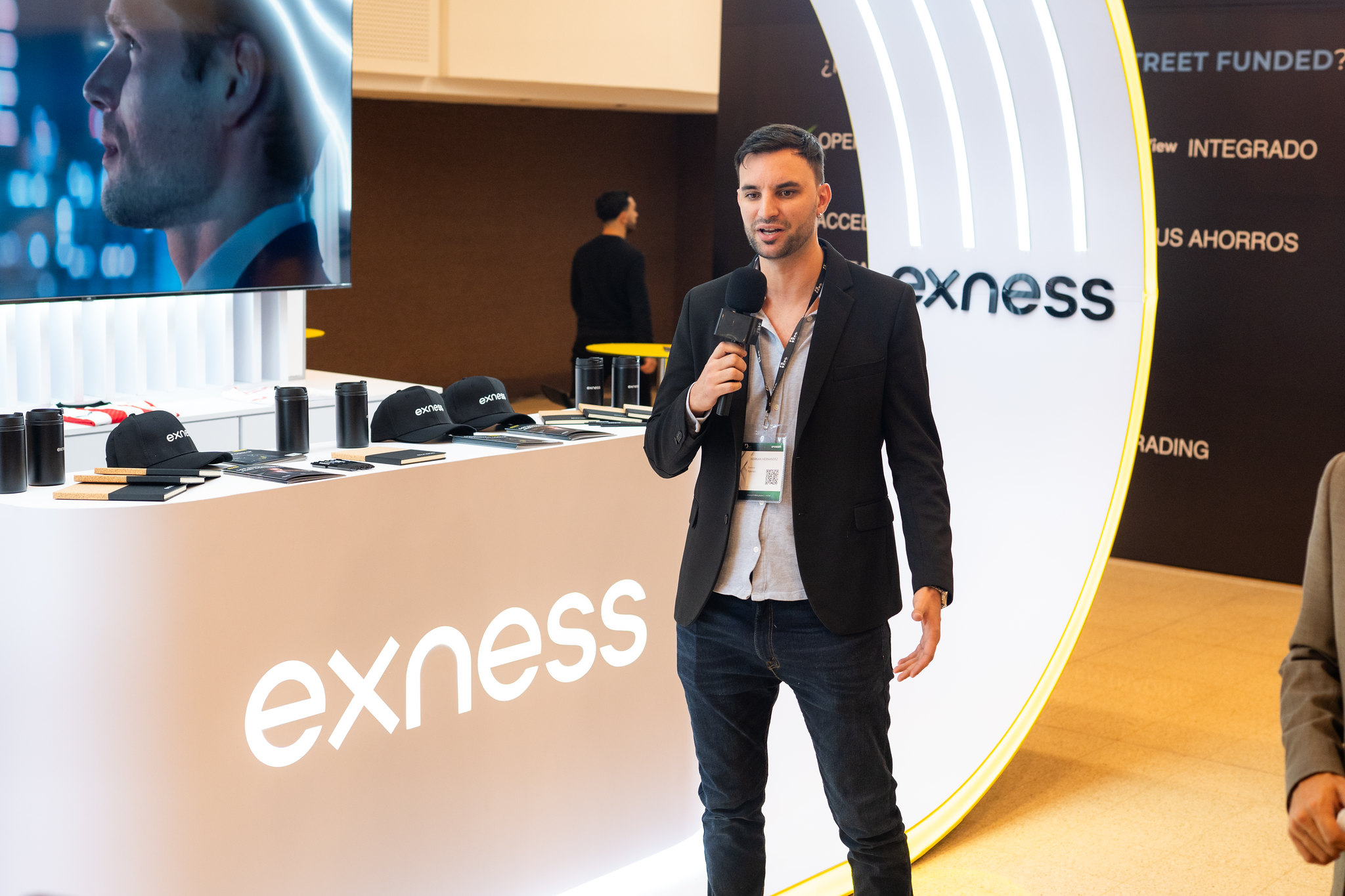
Trading events are not merely informational conferences — they are catalysts that accelerate the growth of the regional financial ecosystem. When international brokers, fintech companies, educators, and traders come together in person, connections are made that generate business, collaborations, and opportunities. The strategic alliances forged at these events often result in market expansions, new product launches, and the exponential growth of trading communities.
Events like FX Expo Global not only bring industry players together — they validate the importance of the region. When a global-scale international event chooses Medellín, Quito, Lima, or Guadalajara as its venue, it sends a clear message: Latin America is the future of global trading. This builds confidence, attracts international investment, and motivates local entrepreneurs to innovate even more aggressively.
Latin America is not importing financial models from the north — it is creating its own, adapted to the regional reality, with an innovative capacity that in many cases surpasses that of developed markets.
— Industry Analysis, FX Expo GlobalLATAM as a Strategic Opportunity for Global Companies
For global financial companies, LATAM represents an unparalleled growth opportunity. Developed markets are saturated, with compressed margins and complex regulation. Latin America offers a market of 650 million people, with a growing appetite for financial services, a young demographic, and a digital penetration rate that grows exponentially. Brokers and fintechs that can quickly adapt to local needs while maintaining global quality standards are capturing market share at an accelerating pace.
Traditional financial giants are waking up to this reality. Banks that had no significant presence in the region a decade ago are now establishing regional hubs. Silicon Valley-based financial technology companies are opening offices in Medellín, São Paulo, and Buenos Aires. Talent is flowing toward these innovation centers, creating a virtuous cycle of growth and development.
From Emerging Market to Global Hub
Latin America's transition from "emerging market" to "global hub" will not happen overnight, but indicators suggest the moment is arriving rapidly. Trading volumes are growing, participant sophistication is increasing, technological infrastructure is improving, and regulation is becoming clearer. Within a decade, Latin America will likely be comparable to any global financial center in terms of volume, liquidity, and opportunities.
What makes this different from speculative bubbles of the past is the fundamental solidity of the ecosystem. It is not just hype — it is a combination of structural factors: a young demographic, economic instability that motivates people to learn about finance, technology that makes accessible what was once exclusive, and local entrepreneurs who deeply understand regional market needs.
Looking Toward the Future
The future of global trading is being rewritten in real time in the capitals of Latin America. Regional traders are no longer simply replicating strategies designed for other markets — they are innovating, experimenting, and discovering approaches that work better for their own realities. Latin American fintechs are designing solutions that are later exported globally. The regulations being developed in countries like Colombia and Mexico are becoming models for other emerging regions.
In the coming years, we will see more geographic expansion of financial events and companies into LATAM. We will see more venture capital investment in regional fintech startups. We will see more Latin American talent occupying leadership positions in global financial companies. And we will see Latin America continue to consolidate its position not as an emerging market, but as a global financial innovation hub.